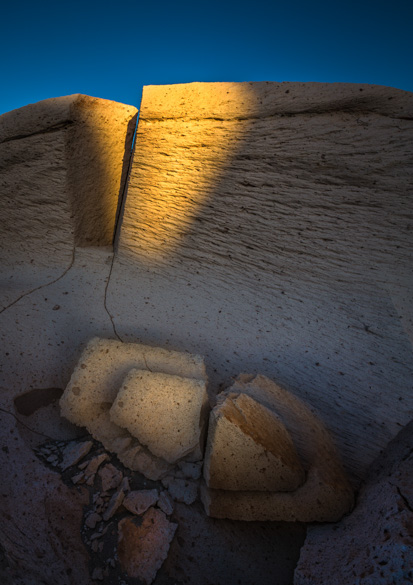
Equivalence

  The idea of equivalence in photography is richly rooted in a time when photography was beginning to discover its own nature and continues to be a powerful force for discovering our own nature, which is greater than we think.   Alfred Stieglitz first used the term equivalent as a title for a series of photographs of clouds, whose aspirations were more musical than representational, and to describe a particular kind of activity in art and its result,   “My photographs are ever born of an inner need – an Experience of Spirit ...

Read More

Process Influences Perception

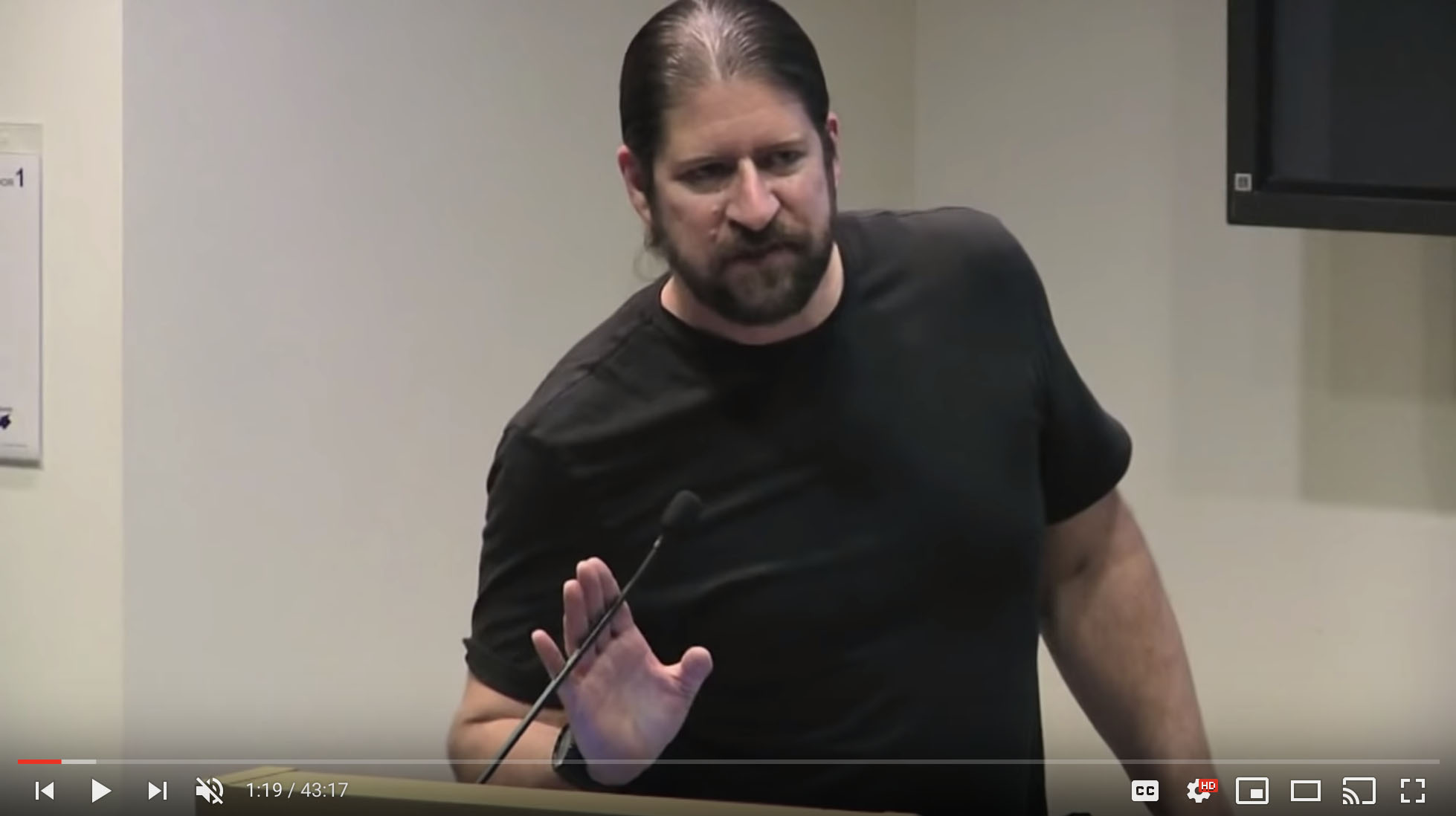
.embed-container { position: relative; padding-bottom: 56.25%; height: 0; overflow: hidden; max-width: 100%; } .embed-container iframe, .embed-container object, .embed-container embed { position: absolute; top: 0; left: 0; width: 100%; height: 100%; } . In my Google talk I discuss how new tools can support new ways of seeing and thinking. Process influences perception....

Read More

Titles

  I avoid titles that impose a single interpretation on my work of art.   Instead, I direct attention to a process, both external and internal and leave plenty of room for the viewer to explore their layered and evolving relationships with it.   I want my images to be seen not as records of things (a materialistic viewpoint) but as traces of processes (a holistic viewpoint).   Most of my images, being a combination of at least two images from different times and places, don’t fit the typical place and date format. I’ve only used this type of title for one series, My Antarctica Waking, to signal a change in practice and emphasize its more reportorial nature. I’d like to use an active verb for my titles,...

Read More